Ketalar (Ketamine): Uses, Benefits, Side Effects, Dosage, and Safety Information
What Is Ketalar (Ketamine)?
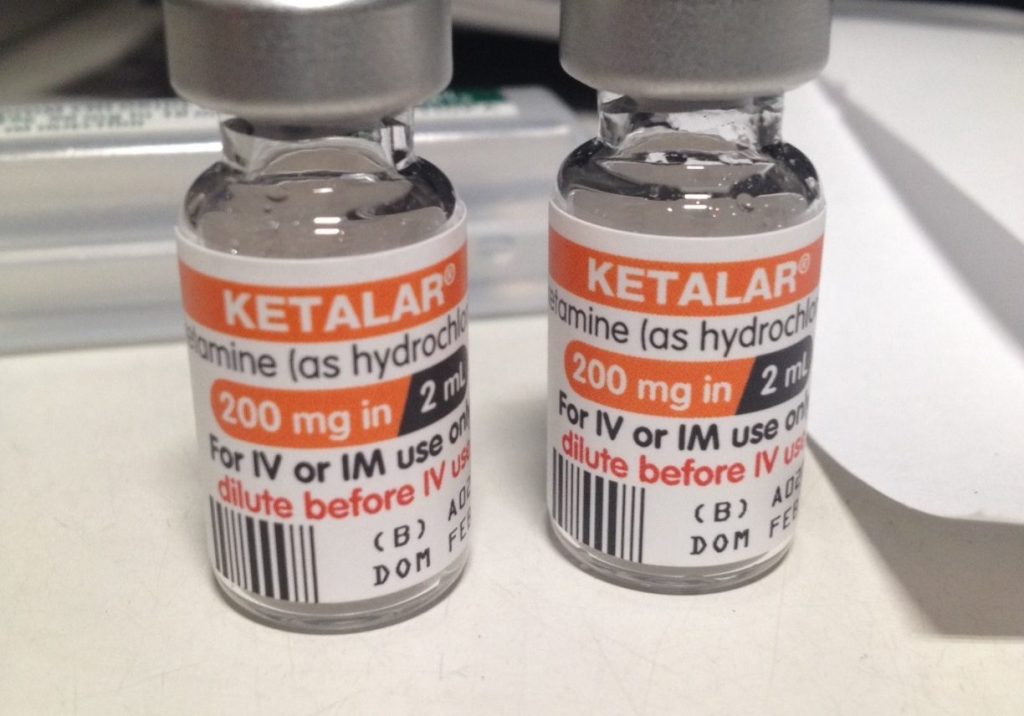
Ketalar is a brand name for ketamine hydrochloride, a dissociative anesthetic used in hospitals, emergency departments, and specialized healthcare settings. It is commonly administered by qualified healthcare professionals to induce and maintain general anesthesia, provide procedural sedation, and manage pain in selected medical situations.
Ketamine works by blocking N-methyl-D-aspartate (NMDA) receptors in the brain. This action reduces pain perception while producing anesthesia, sedation, and temporary dissociation. In recent years, ketamine has also been used under specialist supervision as a treatment option for certain patients with treatment-resistant depression.
Because of its powerful effects and potential for misuse, ketamine is classified as a controlled substance in many countries and should only be used under the supervision of trained healthcare professionals.
Important Information Before Use
Before receiving Ketalar, your healthcare provider will review your medical history and determine whether ketamine is appropriate for your condition.
Tell your healthcare provider if you have:
- High blood pressure
- Heart disease
- History of stroke
- Increased intracranial pressure
- Glaucoma or other serious eye conditions
- Liver or kidney disease
- Mental health disorders
- Thyroid disease
- Allergies to ketamine or other medications
Providing complete medical information helps healthcare professionals minimize potential risks and select the most appropriate treatment.
Available Forms
Ketalar is available as an injectable solution for:
- Intravenous (IV) administration
- Intramuscular (IM) administration
The medication is administered in hospitals, surgical centers, emergency departments, and other healthcare facilities where patients can be continuously monitored.
Depending on local regulations and approved medical indications, ketamine may also be available in other pharmaceutical formulations for specialist use.
Medical Uses of Ketalar
Healthcare professionals may prescribe or administer Ketalar for:
- Induction of general anesthesia
- Maintenance of anesthesia
- Procedural sedation
- Emergency and trauma care
- Acute pain management in selected clinical situations
- Treatment-resistant depression under specialist supervision
Treatment decisions are individualized based on the patient’s medical condition and current clinical guidelines.
Benefits of Ketalar
When administered appropriately, Ketalar offers several important clinical benefits, including:
- Rapid onset of action
- Effective pain relief
- Dissociative anesthesia for selected procedures
- Preservation of certain protective airway reflexes in many patients
- Use in emergency and trauma medicine
- Potential therapeutic benefit for selected patients receiving treatment for treatment-resistant depression
All treatment should be performed under appropriate medical supervision with continuous monitoring.
Possible Side Effects
Like all medications, Ketalar may cause side effects.
Common side effects include:
- Hallucinations or vivid dreams
- Confusion during recovery
- Increased blood pressure
- Increased heart rate
- Nausea and vomiting
- Increased salivation
- Double vision
- Dizziness
- Involuntary eye movements (nystagmus)
- Temporary discomfort at the injection site
Although uncommon, serious adverse reactions may include breathing difficulties, allergic reactions, or severe psychological symptoms. Patients receiving ketamine are closely monitored throughout treatment to help ensure prompt recognition and management of any complications.
Contraindications
Ketalar may not be suitable for everyone. It is generally avoided or used with caution in patients with:
- Allergy to ketamine hydrochloride
- Severe uncontrolled hypertension
- Significant cardiovascular disease
- Increased intracranial pressure
- Certain psychiatric disorders
- Glaucoma or major eye injuries
Healthcare professionals evaluate each patient’s medical history before treatment to determine whether ketamine is appropriate.
Administration and Monitoring
Ketalar should only be administered by qualified healthcare professionals trained in anesthesia, airway management, and patient monitoring.
During treatment, patients are monitored for:
- Heart rate
- Blood pressure
- Oxygen saturation
- Respiratory function
- Level of consciousness
- Recovery from anesthesia
Patients remain under observation until they have recovered safely from the effects of the medication.
Important Safety Considerations
Before treatment, inform your healthcare provider if you have a history of:
- Heart disease
- High blood pressure
- Liver disease
- Kidney disease
- Psychiatric disorders
- Alcohol or substance misuse
- Thyroid disorders
- Previous reactions to anesthesia
You may also receive instructions regarding fasting before anesthesia and arranging transportation home following outpatient procedures.
Frequently Asked Questions
What is Ketalar used for?
Ketalar is used for general anesthesia, procedural sedation, emergency medicine, pain management, and selected psychiatric treatments under specialist supervision.
Is Ketalar a controlled medication?
Yes. Ketamine is regulated as a controlled substance in many countries because of its potential for misuse and the need for careful medical oversight.
Can Ketalar be administered at home?
No. Ketalar should only be administered by qualified healthcare professionals in an appropriate medical environment where patients can be safely monitored.
How long do the effects of Ketalar last?
The duration of action depends on the dose, route of administration, patient characteristics, and the type of medical procedure being performed.
Conclusion
Ketalar (ketamine hydrochloride) is an important medication used in modern healthcare for anesthesia, procedural sedation, pain management, emergency medicine, and selected psychiatric treatments. Because of its potent clinical effects and important safety considerations, it should only be administered under the supervision of qualified healthcare professionals in appropriate medical settings. Patients should always consult their healthcare provider to determine whether ketamine treatment is appropriate for their individual medical needs.