
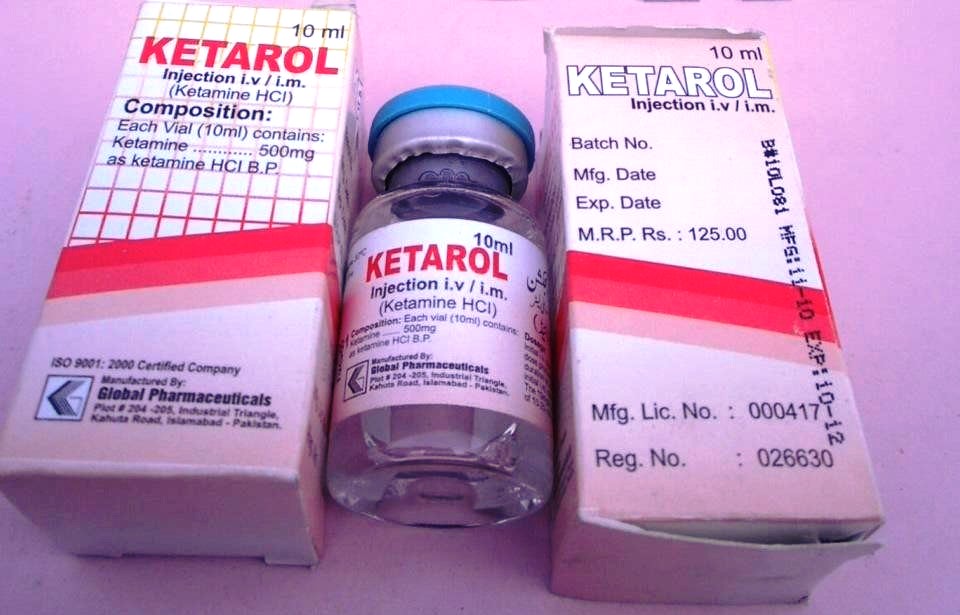
Ketarol (Ketorolac): Uses, Benefits, Side Effects, Dosage, and Safety Information
What Is Ketarol (Ketorolac)?
Ketarol is a brand name for ketorolac, a nonsteroidal anti-inflammatory drug (NSAID) used for the short-term treatment of moderately severe acute pain. It is commonly prescribed after surgery, injuries, or other painful medical conditions where effective pain management is required.
Ketorolac works by reducing the production of prostaglandins, substances in the body that contribute to pain, inflammation, and fever. Due to the risk of serious side effects, ketorolac is intended for short-term use only and should be taken exactly as prescribed by a healthcare professional.
Important Information Before Use
Before taking Ketarol, your healthcare provider should evaluate your medical history to determine whether ketorolac is appropriate for your condition.
Inform your healthcare provider if you have:
- A history of stomach ulcers or gastrointestinal bleeding
- Kidney disease
- Liver disease
- Heart disease or high blood pressure
- Asthma triggered by NSAIDs
- Bleeding disorders
- Allergies to ketorolac, aspirin, or other NSAIDs
Providing complete medical information helps reduce the risk of complications during treatment.
Available Forms
Ketarol is available in several dosage forms depending on the clinical situation, including:
- Oral tablets
- Injectable solution for intravenous (IV) or intramuscular (IM) use
- Ophthalmic (eye) drops for certain eye conditions
The injectable formulation is often used initially in hospitals, while oral tablets may be prescribed for continued short-term pain management. Generic ketorolac tromethamine is also available in many countries.
Uses of Ketarol
Healthcare professionals may prescribe Ketarol for the short-term management of:
- Postoperative pain
- Musculoskeletal injuries
- Acute inflammatory conditions
- Pain following certain medical procedures
Ketorolac is not intended for chronic pain management or long-term therapy.
Benefits of Ketarol
When used appropriately, Ketarol may provide several benefits, including:
- Rapid pain relief
- Reduction of inflammation
- Improved mobility during recovery
- Reduced need for opioid medications in selected patients
- Multiple dosage forms to meet different clinical needs
Treatment decisions should always be made by a qualified healthcare professional based on the patient’s medical condition.
Possible Side Effects
Like other NSAIDs, Ketarol may cause side effects.
Common side effects include:
- Nausea
- Indigestion
- Stomach discomfort
- Headache
- Dizziness
- Drowsiness
- Swelling
- Diarrhea
- Skin rash
More serious side effects may include:
- Gastrointestinal bleeding
- Kidney injury
- Severe allergic reactions
- Increased risk of cardiovascular events in certain patients
Seek immediate medical attention if you experience severe abdominal pain, vomiting blood, black stools, difficulty breathing, or swelling of the face or throat.
Contraindications
Ketarol should generally not be used in patients with:
- Allergy to ketorolac or other NSAIDs
- Active stomach ulcers
- Recent gastrointestinal bleeding
- Severe kidney impairment
- Bleeding disorders
- History of aspirin-induced asthma
- Patients undergoing coronary artery bypass graft (CABG) surgery
- Concurrent use of other NSAIDs unless directed by a healthcare provider
A healthcare professional will determine whether ketorolac is appropriate based on individual medical circumstances.
How to Use Ketarol
Ketarol should always be used exactly as prescribed.
General treatment principles include:
- Follow the prescribed dosage and schedule.
- Do not exceed the recommended daily dose.
- Treatment is generally limited to a maximum of five days because prolonged use significantly increases the risk of serious side effects.
- Oral tablets are commonly used only after initial injectable therapy when appropriate.
Never change the dosage or duration of treatment without consulting your healthcare provider.
Important Safety Considerations
Before taking Ketarol, tell your healthcare provider if you have:
- Heart disease
- Kidney disease
- Liver disease
- High blood pressure
- Asthma
- Stomach ulcers
- Bleeding disorders
- Pregnancy or breastfeeding concerns
- Any current prescription or over-the-counter medications
Avoid taking additional NSAIDs unless specifically instructed by your healthcare provider.
Frequently Asked Questions
What is Ketarol used for?
Ketarol is used for the short-term treatment of moderate to severe acute pain, particularly after surgery or injury.
How long can Ketarol be used?
Ketorolac treatment is generally limited to a maximum of five days because longer use increases the risk of gastrointestinal bleeding, kidney injury, and other serious complications.
Can Ketarol be taken for chronic pain?
No. Ketarol is not intended for long-term pain management and should only be used for short-term treatment under medical supervision.
What should I avoid while taking Ketarol?
Avoid taking other NSAIDs unless directed by your healthcare provider, and seek medical advice before combining ketorolac with other medications that may increase the risk of bleeding or kidney problems.
Conclusion
Ketarol (ketorolac) is an effective medication for the short-term treatment of moderate to severe acute pain when used under appropriate medical supervision. Because of the potential for serious side effects, it should be taken only as directed by a qualified healthcare professional. Patients should always follow prescribed treatment instructions and promptly report any concerning symptoms to their healthcare provider.


